

You're crushing your workouts. You're hitting PRs. You're showing up consistently. But if you're making these seven recovery mistakes, you're sabotaging all that hard work: and setting yourself up for injury, plateaus, and burnout.
Here's the truth: most athletes train harder than they recover. They'll spend two hours perfecting their deadlift form but won't invest twenty minutes in proper recovery protocols. They'll research the perfect pre-workout but ignore the science behind post-workout repair.
Whether you're a powerlifter chasing a new max, a fighter preparing for competition, or a CrossFitter grinding through another WOD, these mistakes are costing you gains. Let's fix them before your next session.
Mistake #1: Rushing Back After Injury
The Problem: You get medical clearance and immediately jump back to your pre-injury intensity. This feels logical: you're cleared, so you're ready, right? Wrong. When you attempt full-intensity training while injured tissue is still rebuilding, your body prioritizes repairing new training damage over completing the original injury repair. Result? Extended recovery time and increased re-injury risk.
The Fix: Medical clearance means you're ready for a progressive return, not a full-intensity comeback. Implement a structured Return to Sport program that gradually rebuilds your conditioning while protecting healing tissue. Start at 50-60% intensity for the first week, then increase by 10-15% weekly based on how your body responds.
Quick Win: Track your perceived exertion and pain levels daily. If either spikes above your baseline, dial back intensity for 48 hours.

Mistake #2: Skipping Professional Rehabilitation
The Problem: "I know my body better than anyone." This mindset leads athletes to skip physical therapy or cut sessions short. But professional rehabilitation offers specialized modalities, objective assessments, and supervised progression that self-treatment can't match.
The Fix: Commit to every prescribed PT session. Physical therapists understand tissue healing timelines, exercise progression, and recovery protocols that go beyond YouTube videos and gym advice. They'll catch compensatory movement patterns you can't see and adjust your program based on real-time assessment.
Pro Tip for Fighters: Your striking power comes from your entire kinetic chain. Skipping hip or shoulder rehab affects your punch power even if your hands feel fine.
Pro Tip for Lifters: Incomplete rehab leads to compensatory lifting patterns that overload other structures. Fix the problem, not just the symptoms.
Mistake #3: Only Rehabbing the Injured Area
The Problem: You hurt your shoulder, so you only work on shoulder exercises. Meanwhile, the rest of your body loses strength, flexibility, and neuromuscular coordination. When you return to training, muscular imbalances create new injury risks.
The Fix: Develop a whole-body maintenance program during injury recovery. If your shoulder is injured, keep training legs, core, and unaffected upper body movements. Maintain cardiovascular fitness with activities that don't aggravate the injury. This prevents the cascade of secondary injuries that occur when athletes return with significant strength imbalances.
CrossFit Athletes: Use injury time to work on mobility and movement quality in unaffected areas. Return stronger in your weak links.
Mistake #4: Using NSAIDs for Post-Workout Soreness
The Problem: Ibuprofen and naproxen provide immediate relief, but they interfere with your body's natural recovery processes. Inflammation is the first crucial step in repairing muscle damage and building strength. Suppressing it slows tissue repair and blunts training adaptations.
The Fix: Allow natural inflammation to occur. Instead of reaching for anti-inflammatories, use evidence-based recovery techniques:
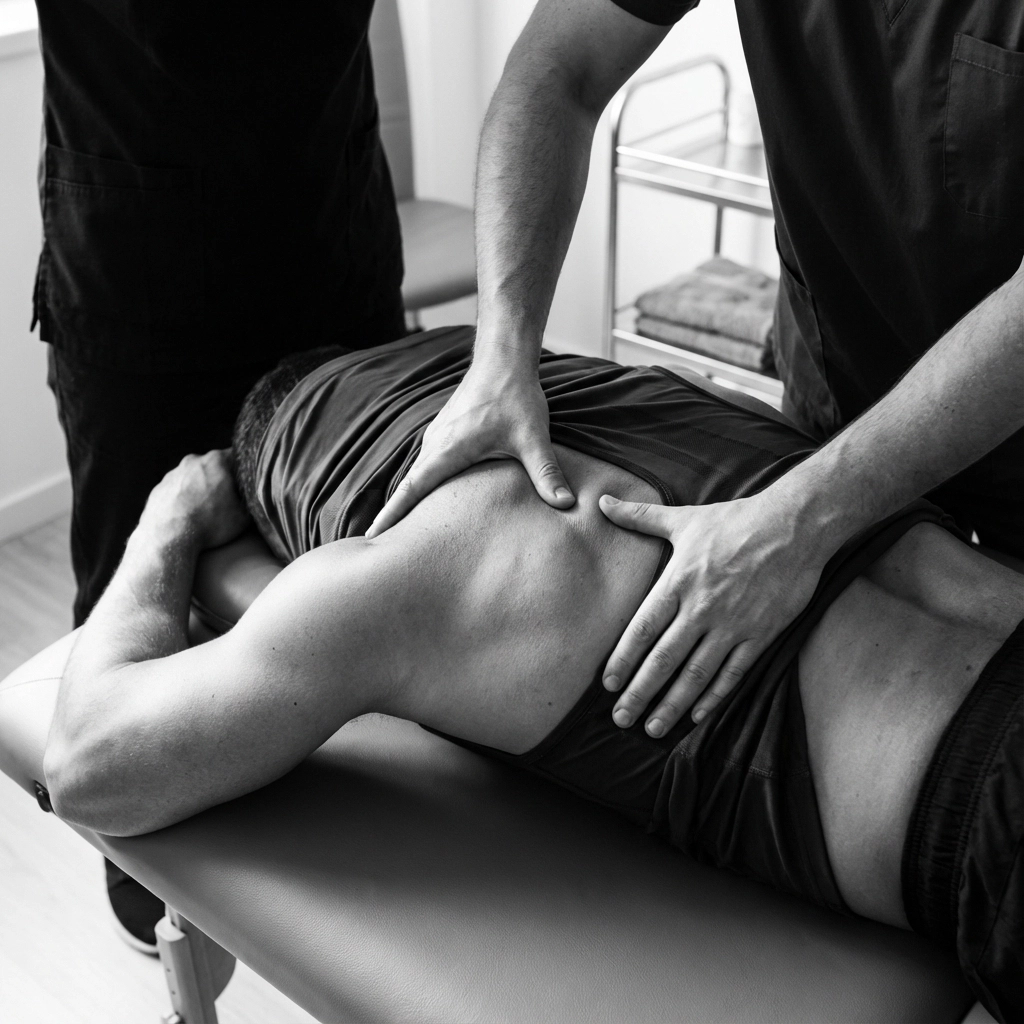
- Massage (most effective for reducing soreness and fatigue)
- Compression garments
- Active recovery sessions
- Contrast showers or ice baths
When NSAIDs Are Okay: Acute injuries with excessive swelling that impairs function. But for normal post-workout soreness? Skip them.
Mistake #5: Ignoring Proper Exercise Progression
The Problem: Training follows a simple equation: stress → rest → adapt → repeat. Many athletes skip adequate rest or progress too aggressively without allowing adaptation. Result? Accumulated damage instead of improved capacity.
The Fix: Follow periodization principles. Each training cycle should include calculated stress followed by sufficient recovery before the next stimulus. Work with qualified coaches who understand stress-adaptation modeling. Track your recovery metrics and adjust intensity based on readiness, not just calendar schedules.
Periodization Basics:
- Hard sessions followed by easy days
- Progressive overload in 3-4 week blocks
- Deload weeks every 4-6 weeks
- Recovery markers (sleep quality, HRV, subjective energy) guide intensity
Mistake #6: Treating Sleep and Nutrition as Optional
The Problem: You'll spend $200 on pre-workout supplements but survive on five hours of sleep and fast food. Modern recovery science is clear: sleep and nutrition are primary recovery drivers, not secondary considerations.
The Fix: Make sleep and nutrition non-negotiable priorities. Your body performs actual repair work during rest periods, particularly during deep sleep. Poor nutrition limits your recovery capacity regardless of how perfectly you execute everything else.
Sleep Targets:
- 7-9 hours nightly for most athletes
- Consistent sleep schedule (even on weekends)
- Dark, cool environment
- No screens 1 hour before bed
Nutrition Priorities:
- Protein intake: 0.8-1.2g per pound body weight
- Post-workout protein within 2 hours
- Anti-inflammatory foods (berries, leafy greens, fatty fish)
- Adequate hydration throughout the day

Mistake #7: Confusing Performance Ability with Complete Recovery
The Problem: You can lift your usual weights or complete your usual rounds, so you assume you're fully recovered. But performance ability doesn't equal complete physiological recovery. If muscle damage, inflammation, and fatigue markers remain elevated, you're masking incomplete recovery with willpower and compensation patterns.
The Fix: Use multiple recovery indicators beyond performance metrics:
Track These Markers:
- Perceived fatigue levels (1-10 scale)
- Sleep quality scores
- Morning heart rate variability
- Subjective muscle soreness
- Motivation and mood levels
Evidence-Based Recovery Techniques:
- Sports massage (reduces soreness and improves subsequent performance)
- Compression therapy
- Contrast water therapy (hot/cold exposure)
- Active recovery sessions at 30-40% intensity
Don't just push through partially recovered states. Address the underlying fatigue before it compounds.
Your Recovery Action Plan
Recovery isn't passive: it's an active process that requires intention and consistency. Start implementing these fixes immediately:
- Today: Assess your current recovery practices. Which mistakes are you making?
- This Week: Implement one new recovery protocol (prioritize sleep optimization)
- This Month: Track recovery metrics and adjust training intensity based on readiness
Remember: elite athletes don't just train harder: they recover smarter. Your next breakthrough might not come from adding another training session. It might come from finally giving your body what it needs to adapt and grow stronger.
Quality recovery isn't a luxury for professional athletes. It's a necessity for anyone serious about long-term progress and injury prevention. The athletes who understand this will still be training: and improving: years from now.
The rest will be nursing preventable injuries and wondering why their progress stalled.
Which athlete will you choose to be?


