

Stop following nutrition advice designed for everyone. Start fueling like the elite athlete you are.
Generic meal plans and one-size-fits-all supplements are holding you back from your true potential. While other athletes struggle with energy crashes, slow recovery, and plateaued performance, those using personalized sports nutrition are breaking personal records and staying injury-free.
The difference? They've learned that your body isn't average: and neither should be your nutrition strategy.
Why Personalized Nutrition Changes Everything
Research reveals the stark reality: 80% of athletes following customized nutrition plans report dramatically improved energy and cognitive clarity compared to those on generic protocols. When Stanford Medicine studied athletes with personalized recovery nutrition, they found 30% faster muscle repair and significantly reduced injury rates.
Your genetics, training style, body composition, and metabolic rate create a unique nutritional fingerprint. What works for your training partner might sabotage your performance. Elite athletes understand this: it's why 45% of professional teams now use technology-driven personalized nutrition strategies.
The five pillars of effective sports nutrition personalization include metabolic individuality, performance output demands, biochemical data, dietary preferences, and sport-specific requirements. Master these, and you'll unlock performance levels you didn't know were possible.
Assess Your Unique Athletic Profile
Before diving into any nutrition protocol, you need baseline data. Start by honestly evaluating your current training intensity, frequency, and performance metrics. Track your strength PRs, endurance benchmarks, recovery time between sessions, and how you feel during different training blocks.

Key assessment areas include:
- Body composition and metabolic rate
- Training intensity across your sport
- Performance goals (strength, endurance, power, recovery)
- Current dietary patterns and food responses
- Sleep quality and stress levels
- Injury history and recovery patterns
Modern assessment tools provide unprecedented insights. DNA profiling reveals how your genetics influence nutrient absorption and food sensitivity. Gut microbiome analysis shows which foods your body processes most efficiently. Combined with accurate BMR calculations, these tools create a precise nutritional roadmap.
Sport-Specific Nutrition Strategies
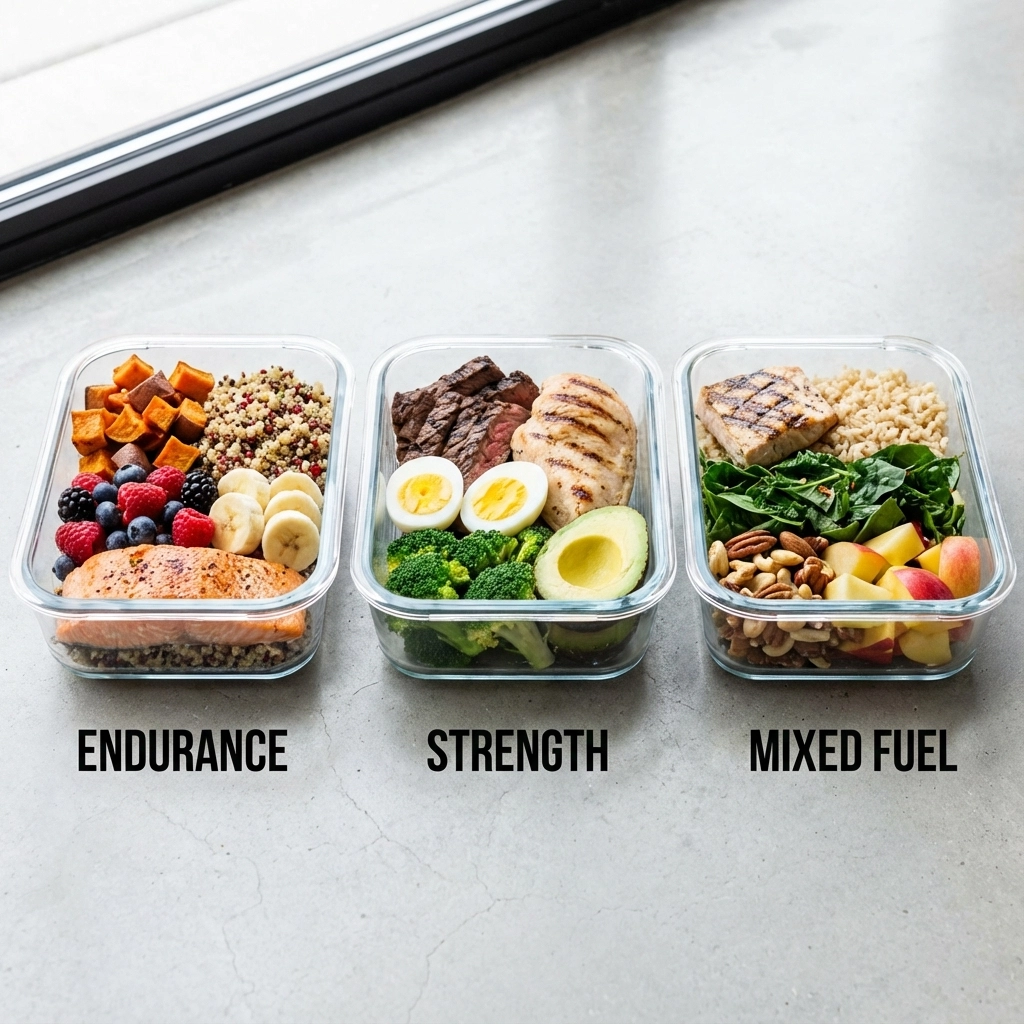
Your sport dictates your nutritional priorities. Cookie-cutter approaches ignore the fundamental differences between endurance, strength, and mixed-modal training demands.
Endurance Athletes (runners, cyclists, swimmers) need strategic carbohydrate periodization to fuel long training sessions and maintain glycogen stores. Your focus should be on carb timing, sustained energy release, and preventing the dreaded bonk during extended efforts.
Strength Athletes (powerlifters, Olympic lifters) require higher protein intake and strategic nutrient timing around training sessions. Recovery becomes paramount: your muscles need specific amino acid profiles to rebuild stronger between sessions.
Mixed-Modal Athletes (CrossFit, MMA, team sports) face the most complex nutritional demands. You need explosive power, sustained energy, and rapid recovery all in one protocol. This requires precise macronutrient cycling and strategic supplementation.
Combat Sports Athletes have additional considerations including weight management, hydration protocols for cutting/making weight, and maintaining power output during caloric restrictions.
The Performance Fuel collection addresses these sport-specific demands with precision-formulated products designed for different athletic requirements.
Macronutrient Optimization That Works
Forget the 40-30-30 rule. Your macronutrient ratios should reflect your training demands, body composition goals, and metabolic efficiency.
Protein requirements vary dramatically based on training type. Endurance athletes need 1.2-1.4g per kg body weight, while strength athletes may require 1.6-2.2g per kg. More isn't always better: excess protein that your body can't utilize becomes expensive carbohydrates.
Carbohydrate timing separates good athletes from great ones. Pre-training carbs fuel performance. Post-training carbs accelerate recovery. The quality and timing matter more than total quantity. Strategic carb cycling around training blocks maximizes both performance and body composition.
Fat intake supports hormone production, nutrient absorption, and sustained energy. Athletes cutting fat too low often experience decreased testosterone, poor recovery, and compromised immune function.
Micronutrient Gaps That Kill Performance
Most athletes focus on macros while ignoring the micronutrient deficiencies sabotaging their results.
Iron deficiency affects up to 50% of female endurance athletes, causing fatigue and poor oxygen transport. Magnesium deficiency leads to muscle cramps, poor sleep, and impaired recovery. Vitamin D deficiency compromises immune function and bone health.
B-vitamin complexes support energy production at the cellular level. Many athletes following restrictive diets or training at high volumes develop subclinical deficiencies that manifest as persistent fatigue or training plateaus.
Quality supplementation addresses these gaps efficiently. The Pure Multi-Vitamins provide comprehensive micronutrient support designed specifically for high-performance athletes, not the general population.
Timing Strategies That Maximize Results
When you eat matters as much as what you eat. Strategic nutrient timing amplifies your training adaptations and accelerates recovery.
Pre-training nutrition should provide sustained energy without digestive distress. Consume easily digestible carbohydrates 30-60 minutes before training. For longer sessions, include moderate protein to prevent muscle breakdown.
During training nutrition becomes critical for sessions exceeding 90 minutes. Strategic carbohydrate and electrolyte replacement maintains performance and prevents premature fatigue.
Post-training recovery creates the adaptation window where your body rebuilds stronger. The ideal window is 30-45 minutes post-training. Focus on fast-digesting protein and moderate carbohydrates to maximize recovery.
Throughout the day, consistent protein intake every 3-4 hours maintains positive nitrogen balance and supports continuous muscle protein synthesis.
Common Nutrition Mistakes Killing Your Performance
Even dedicated athletes make critical errors that limit their potential.
Mistake #1: Following generic meal plans designed for average individuals. Your training demands aren't average: your nutrition shouldn't be either.
Mistake #2: Ignoring hydration strategies. Dehydration of just 2% bodyweight decreases performance by 10-15%. Your sweat rate, electrolyte losses, and hydration needs are individual.
Mistake #3: Inconsistent supplementation. Taking creatine "sometimes" or skipping Pure Omega-3 during busy weeks negates the benefits these compounds provide.
Mistake #4: Extreme restriction during cutting phases. Aggressive caloric deficits sacrifice muscle mass, performance, and metabolic rate. Strategic, moderate deficits preserve lean mass while achieving body composition goals.
Mistake #5: Neglecting gut health. Poor gut health impairs nutrient absorption regardless of diet quality. Pure Probiotics support digestive health and nutrient utilization.
Technology-Driven Personalization
Modern athletes have access to unprecedented precision through technology integration.
Wearable devices track caloric expenditure, heart rate variability, and recovery metrics in real-time. Blood biomarker testing reveals nutrient deficiencies, inflammatory markers, and metabolic efficiency. AI-driven apps adjust recommendations based on training load, performance metrics, and recovery data.
This technology integration allows for dynamic nutrition adjustments rather than static meal plans. Your nutrition adapts as your training evolves, ensuring optimal fueling through different training blocks, competition phases, and recovery periods.
Building Your Personalized Protocol
Start with comprehensive assessment including body composition, training analysis, and performance goals. Identify your primary sport demands and training schedule patterns.
Calculate baseline macronutrient needs based on your metabolic rate, training volume, and body composition goals. Adjust ratios based on training phases: higher carbs during intense blocks, strategic restriction during recovery phases.
Address micronutrient gaps through targeted supplementation. Focus on quality over quantity: a few high-impact supplements outperform shotgun approaches.
Implement strategic timing around training sessions. Prioritize post-workout nutrition for maximum adaptation and recovery.
Monitor and adjust based on performance metrics, energy levels, and recovery quality. Your optimal nutrition protocol evolves as your training and goals change.

The Iron Edge Advantage
Personalized sports nutrition isn't just about eating differently: it's about systematic optimization of every nutritional variable affecting your performance.
Iron Edge Nutrition provides the precision-formulated products that support true personalization. From Pure Creatine for strength athletes to Absolute Whey for post-workout recovery, each product addresses specific performance demands rather than general health.
The difference between good athletes and elite performers isn't talent: it's attention to the details that compound into extraordinary results. Your nutrition is one of those details you can control completely.
Stop settling for average nutrition advice. Start fueling like the athlete you're meant to become.
Ready to optimize your performance through personalized nutrition? Explore the complete Iron Edge collection and discover what precision nutrition can do for your training.


